


 |
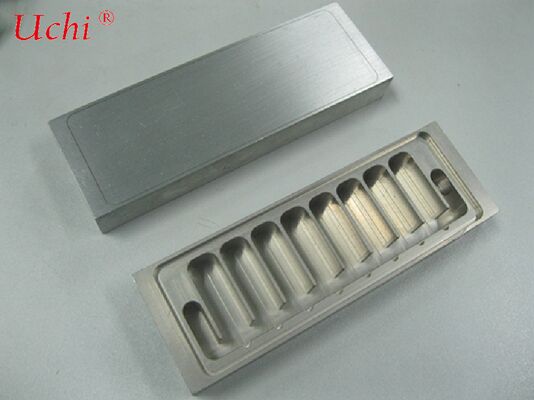
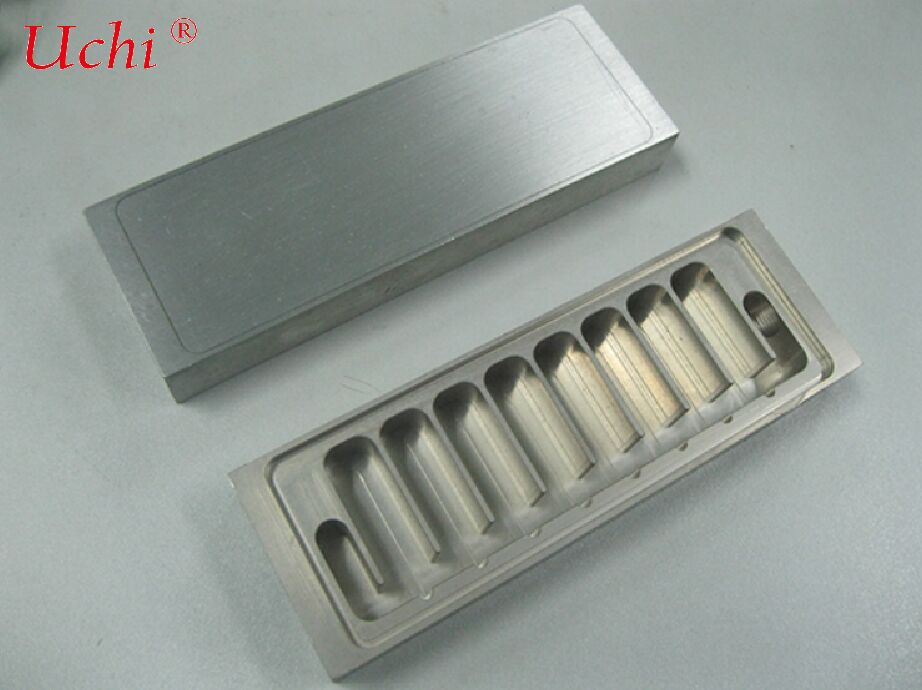
لوحة تبريد سائل ملحومة هي تبديد حرارة مبرد بالسائل
تفاصيل المنتج:
| مكان المنشأ: | دونغقوان، قوانغدونغ، الصين |
| اسم العلامة التجارية: | Uchi |
| إصدار الشهادات: | SMC |
| رقم الموديل: | تقليل الحرارة |
شروط الدفع والشحن:
| الحد الأدنى لكمية: | 100 قطعة |
|---|---|
| الأسعار: | 1300-1500 dollars |
| وقت التسليم: | غير محدود |
| شروط الدفع: | / تي تي، بايبال، ويسترن يونيون، |
| القدرة على العرض: | 50000000 قطعة شهريا |
|
معلومات تفصيلية |
|||
| تكنولوجيا الترابط: | FSW، أنابيب الضغط | أقصى ضغط للتشغيل: | 10 بار |
|---|---|---|---|
| عملية اضافية: | التصنيع باستخدام الحاسب الآلي | التسطيح السطحي: | 0.1 مم |
| قوة مصدر الحرارة: | 24 كيلو واط | مقاومة التآكل: | نعم، مع طلاء مناسب |
| حجم العبوة الواحدة: | 45 × 40 × 10 سم | أبعاد: | قابلة للتخصيص |
| تكنولوجيا: | ثني الأنابيب | حجم صندوق التغليف: | 42.5*33*18 سنتيمتر |
| تصنيف IP: | IP65 | المعالجة السطحية: | ختم + الانتهاء من السطح |
| عدد الممرات المائية: | 6 ممرات مائية | ||
| إبراز: | لوحة التبريد السائلة النحاسية,لوحة تبديد حرارة مبردة بالسائل,لوحة تبريد تبديد الحرارة |
||
منتوج وصف
لوحة تبريد سائل محطمة
A brazed liquid cooling plate is a liquid-cooled heat dissipation plate formed by welding the upper and lower cover plates and the internal flow channels / fins in a high-temperature vacuum furnace using the brazing processيحتوي على أداء ختم ممتاز وقنوات تدفق دقيقة ومقاومة حرارية منخفضة ومقاومة ضغط عالية ، مما يجعلها واحدة من العمليات الرئيسية لوحة التبريد السائل الراقية.
الهيكل الأساسي
يتكون عادة من ثلاث طبقات:
- صفيحة الغطاء العلوية: توفر الختم والواجهات وسطح التركيب
- الطبقة الوسطى: صفيحة قناة التدفق / زعانف الاضطرابات / زعانف الدبوس
- لوحة الغطاء السفلية: سطح الارتباط للمكونات المولدة للحرارة
يتم ربط الطبقات الثلاثة بشكل معدني إلى وحدة متكاملة من خلال الحرارة.
II. العملية الأساسية: الحرارة الفراغية
- تشكيل الصفائح المعدنية → طلاء / وضع مسبق لملء المعدن
- الترتيب والوضع → تحميل في فرن الحرارة الفراغية
- التسخين عالي الحرارة (حوالي 600 درجة مئوية للألومنيوم)
- مادة ملء للصلبة تذوب وتبلل وتملأ الفراغات
- تبريد وتشكيل لإنشاء لحام مغلق عالي القوة
المزايا:
- لا مسامية، لا مفاصل باردة، ضيق الهواء عالية للغاية
- قوة لحام عالية ومقاومة جيدة للتآكل
- يتيح تصميم قنوات التدفق المعقدة والدقيقة
- سطح ناعم، مثالي لربط أجهزة عالية الطاقة
الميزات الرئيسية
-
كفاءة عالية في إزالة الحرارةيمكن دمج القنوات الدقيقة والصفائح المزدوجة والصفائح المسامية في الطبقة الوسطى ، مما يوفر مساحة كبيرة لتبادل الحرارة ومقاومة حرارية منخفضة.
-
مقاومة ضغط قويةالضغط القياسي: 310 بار؛ الإصدارات عالية الضغط تتجاوز 15 بار ، مناسبة للشحن السريع وتخزين الطاقة والمحركات الكهربائية.
-
إغلاق موثوق بههيكل مصفح بالكامل مع خطر تسرب صفر تقريبا، متوافقة مع اختبار تسرب الهيليوم.
-
مسطحة سطح ممتازةمناسبة لتبديد حرارة IGBTs المثبتة على السطح ، وحدات SiC ، أجهزة الطاقة ، حزم البطاريات والمكونات المستوية الأخرى.
-
مصنوعة أساساً من سبيكة الألومنيوميستخدم عادةً 3003 و 5052 و 6061 وغيرها من السبائك ، مما يوفر تصميمًا خفيفًا ، وموصلية حرارية عالية وتكلفة معتدلة.
IV. تصاميم قنوات التدفق المشتركة
- قناة تدفق الحبل: هيكل بسيط، انخفاض ضغط منخفض
- قنوات متعددة متوازية / متوازية: نقل حراري موحد
- زعانف القنوات الدقيقة: لسيناريوهات كثافة تدفق الحرارة العالية
- صفحة زعانف الدبوس: نقل الحرارة فائق الارتفاع ، مناسبة لـ GPUs / الليزر
التطبيقات النموذجية
- مركبات الطاقة الجديدة: أجهزة تحكم المحركات، محولات OBC، DC-DC، وحدات 800V SiC
- تخزين الطاقة والشحن السريع: محولات تخزين الطاقة PCS، محطات الشحن فائقة السرعة، استبعاد الحرارة لتحويلات الشحن الفلاش
- التحكم الصناعي والطاقة: SVG، المحولات الضوئية، محولات الجهد العالي
- الكترونيات الضوئية وقوة الحوسبة: الليزر، خوادم GPU، أنظمة الرادار
VI. المقارنة مع لوحات التبريد السائلة الأخرى
-
مقابل صفائح التبريد السائلة المطاومة بالاحتكاك:التصلح هو أكثر ملاءمة لقنوات التدفق الدقيقة وكثافة تدفق الحرارة العالية؛ الالتحام بالاحتكاك يعمل بشكل أفضل للتطبيقات ذات الحجم الكبير والدفق العالي.
-
مقابل ألواح التبريد السائل ذات الملف الدقيق:توفر الألواح المقاومة تصميم قناة تدفق أكثر مرونة وتبديد الحرارة أقوى ، بتكلفة أعلى.
-
مقابل لوحات التبريد السائل المدمجة في الأنابيب:أفضل أداء للاتصال و مقاومة حرارية أقل مثالية لأجهزة عالية الطاقة
تريد أن تعرف المزيد من التفاصيل حول هذا المنتج
